
CATEGORIES
CATEGORIES
蔭油分類
Low-Sodium Yimyu
With a salinity of 10–12 NaCl%, this soy sauce has a watery consistency and is ideal for dipping or mixing with cold dishes. It primarily serves to enhance the natural flavors of the food it's paired with.
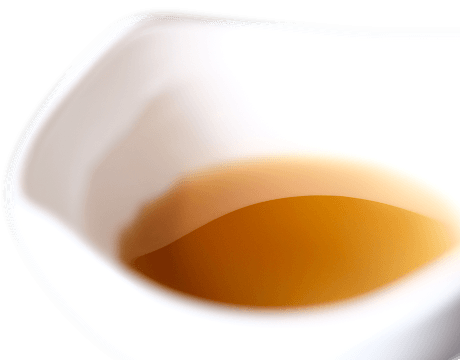
Yimyu Paste
Possessing a salinity of 10–12 NaCl%, yimyu paste is made by adding glutinous rice starch to a pre-boiled sauce, which gives it a dense, thick texture. Because it sticks to the surface of ingredients, it’s favored by those who enjoy rich, bold flavors, and it's perfect for dipping and mixing. An essential dining-table condiment.
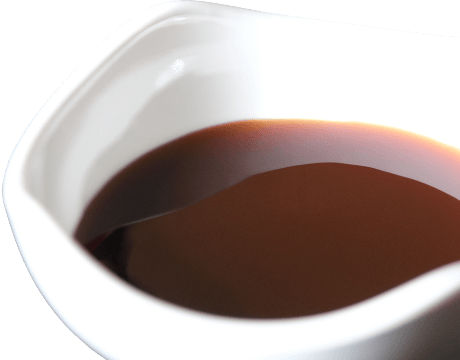
Regular Yimyu
With a salinity of 13–16 NaCl% and a total nitrogen content of over 0.5 g/100ml, this variety has a mellow flavor and a stable aroma. Compared to traditional soy sauce, it can withstand longer periods of heating and boiling without losing its fragrance. This makes it ideal for braising, stir-frying, marinating, and other cooking techniques. It is often regarded as a classic, all-purpose yimyu.
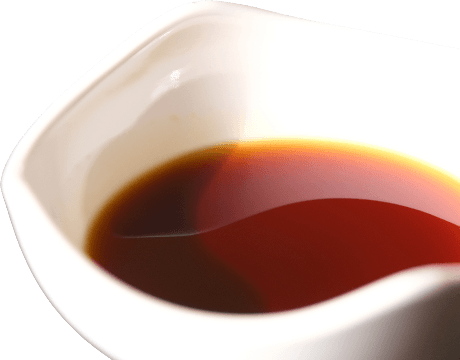
Jar-Bottom Yimyu
With a total nitrogen content above 1.2 g/100mL and a salinity that generally rises above 17 NaCl% (with the exception of certain special formulas), this sauce has a pure, clean flavor and a pronounced umami taste. This umami comes mainly from glutamic acid, which – when combined with guanylic acid from mushrooms or inosinic acid from meat during cooking – greatly enhances savory flavors. An excellent choice for soups and steamed dishes.
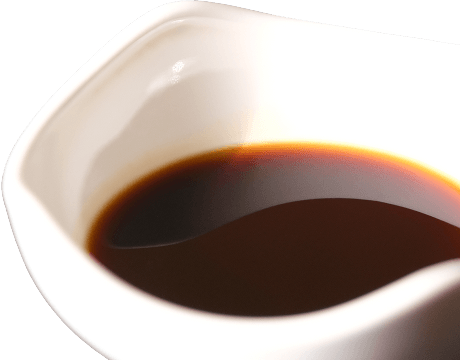
Pale Yimyu
The salinity of this yimyu varies depending on the production method. Its most distinctive feature is its clear golden-amber color, which is achieved without added coloring. Though its hue may be light, it retains a rich umami flavor. There are two common brewing methods: one using yellow soybeans, the other using black beans and water fermentation. Pale yimyu is ideal for cold dishes or soups, preserving the food’s natural color while adding a layer of complexity to its flavor profile.
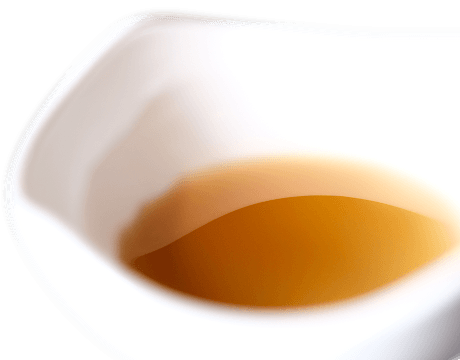
Double-Brewed Yimyu
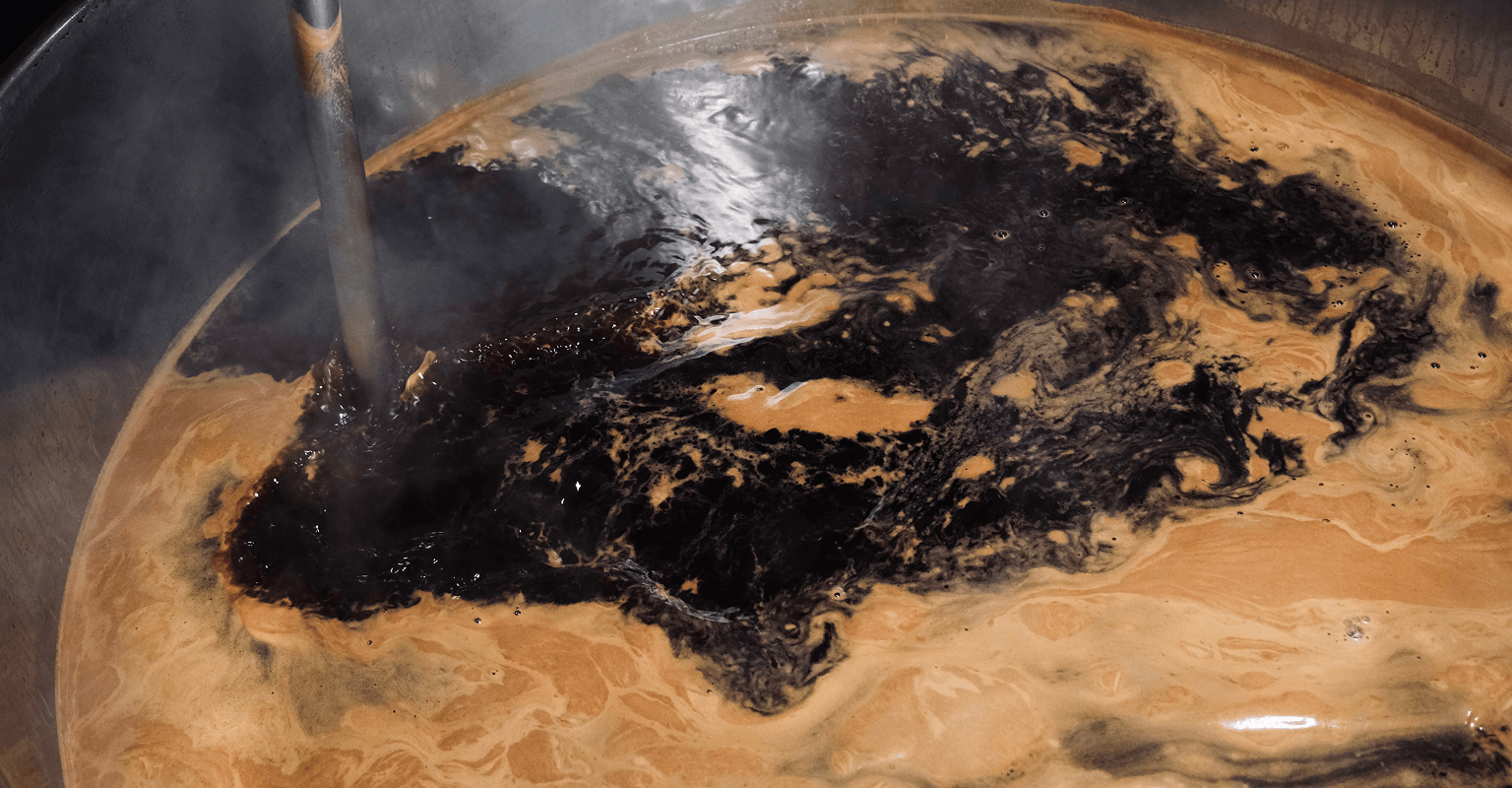
This variety replaces the brine with pre-matured raw yimyu, which is then re-fermented together with freshly prepared koji. This process doubles both the ingredients and the fermentation time, yielding an yimyu with a richer aroma and a deeper umami flavor. Versatile in its application, this variety is perfect for dipping, stir-frying, or braising. It has an especially intense and distinctive fragrance, appealing to those who enjoy robust flavors.
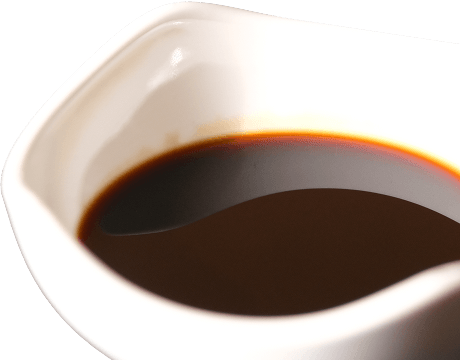
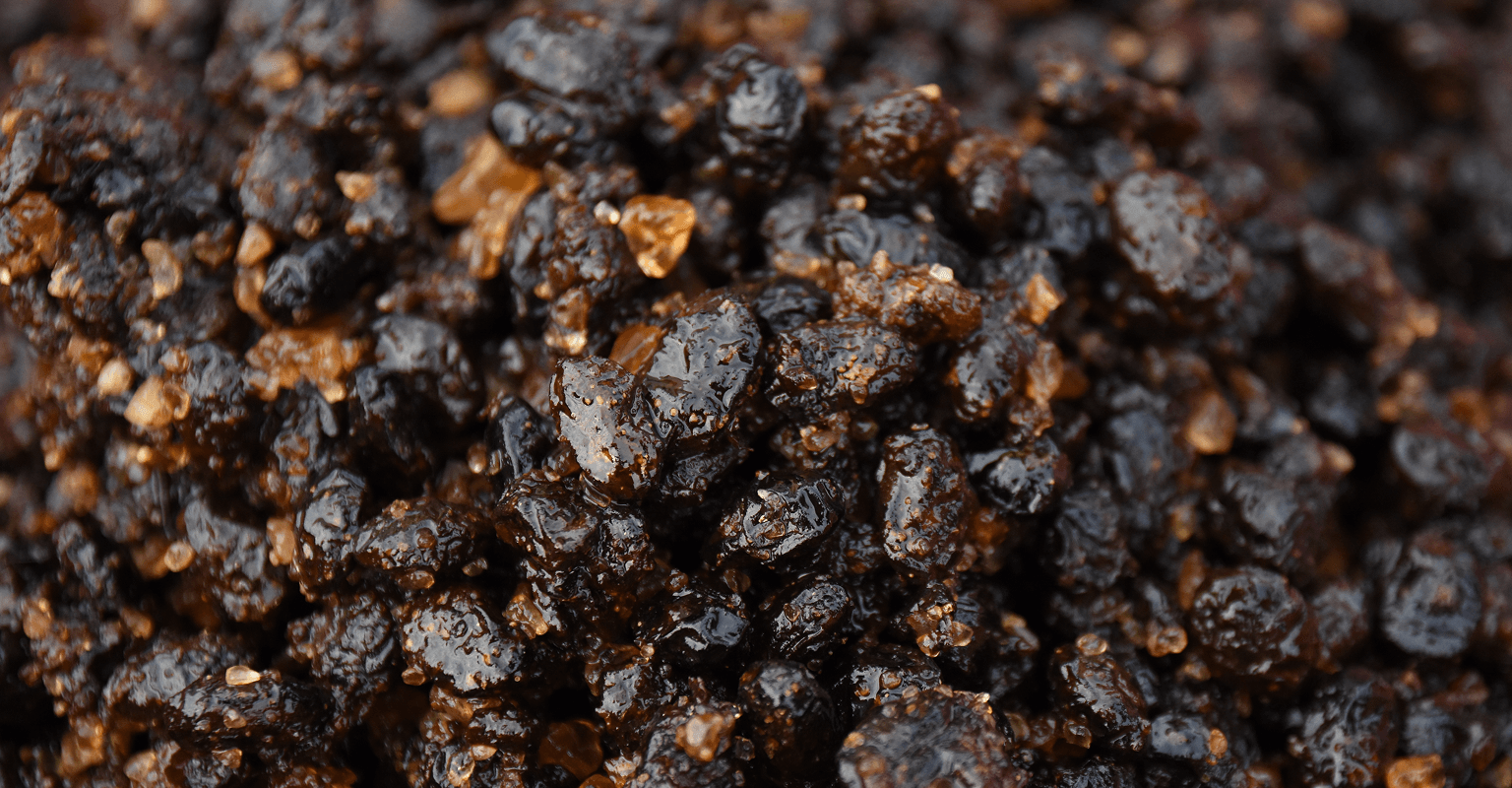
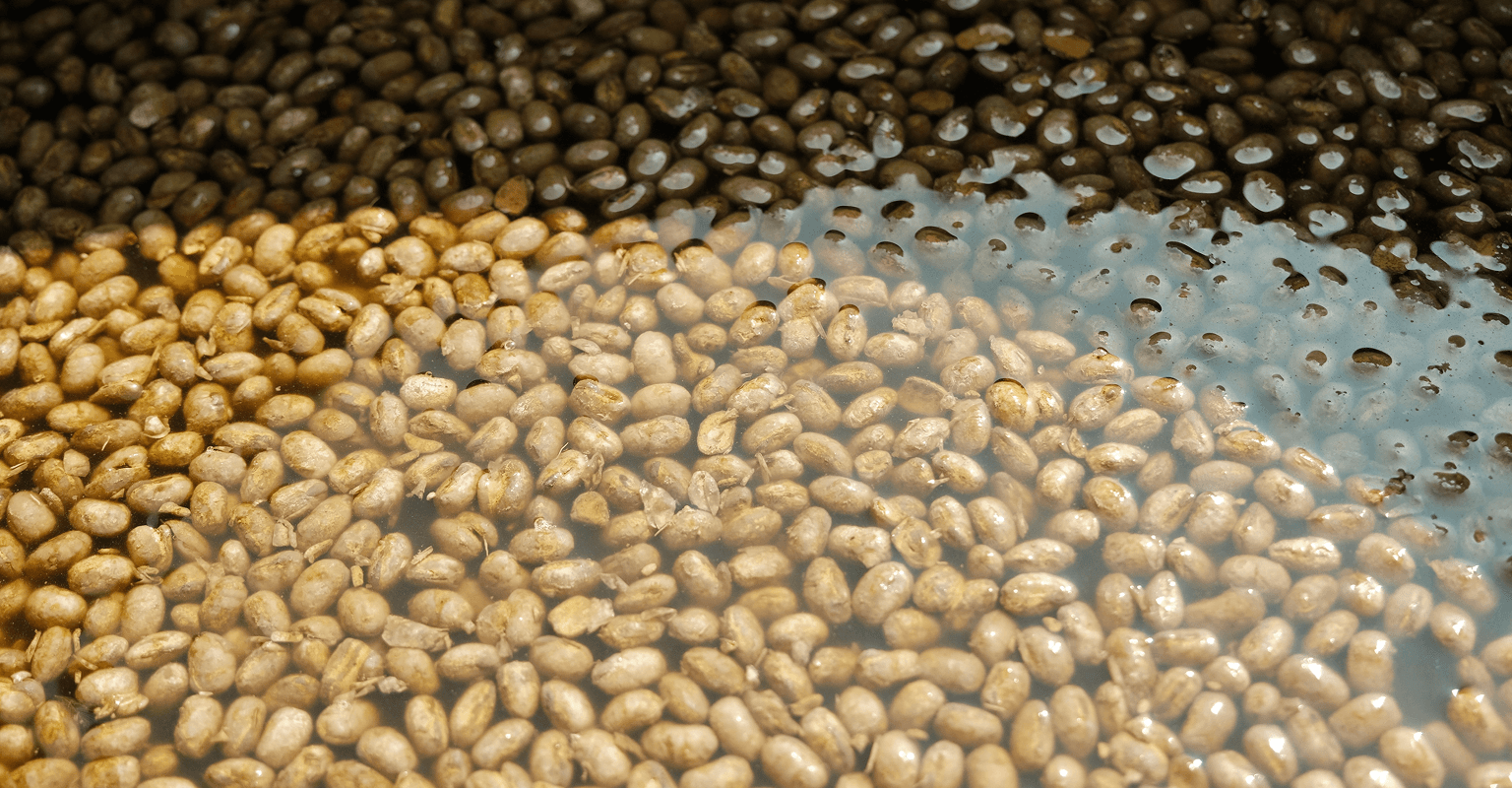
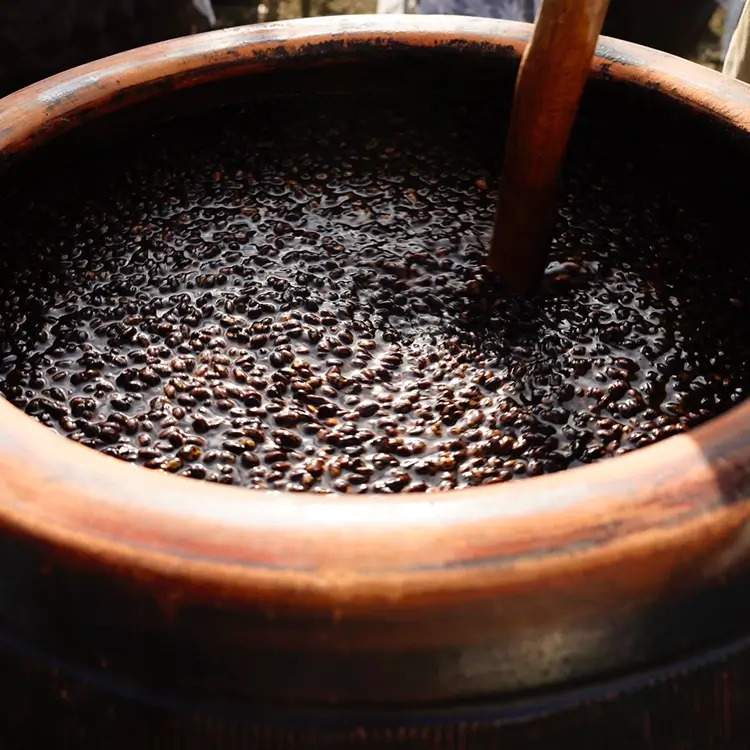
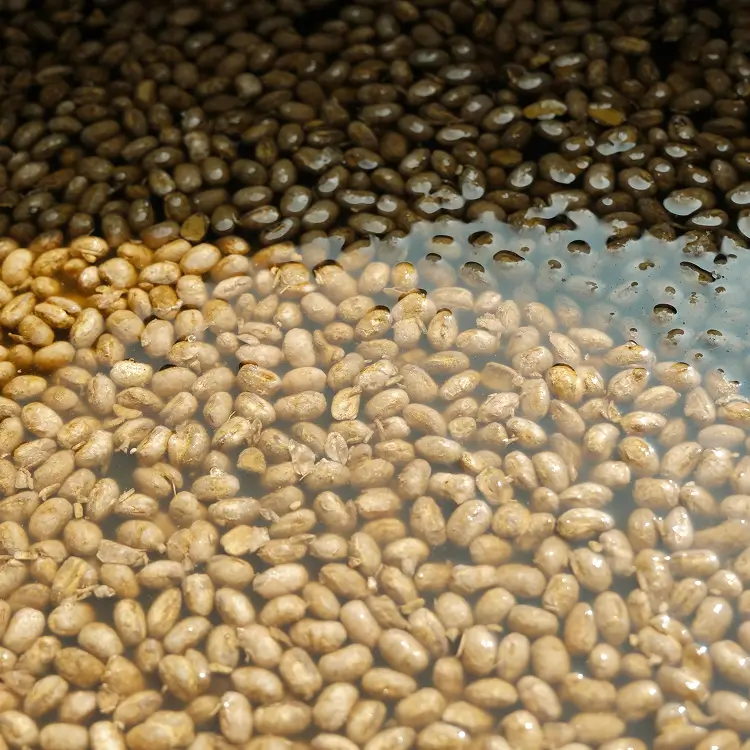
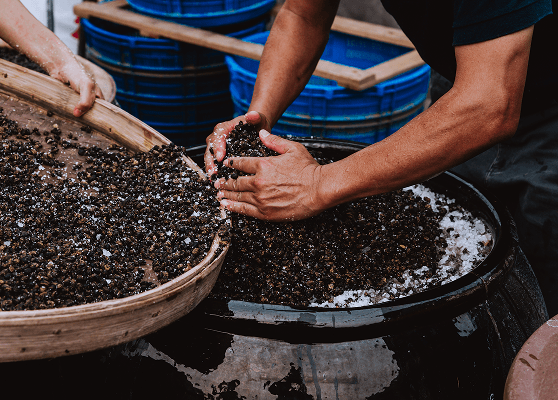
This method uses only soybean koji and sea salt, with the proportions varying depending on how long the koji is washed for. In general, the ratio by volume is approximately 1 part koji to 0.2 parts salt (though a practical working ratio of 5:1 is easier to understand). The longer the koji is washed for, the more water it absorbs, and the higher the required salt content will be.
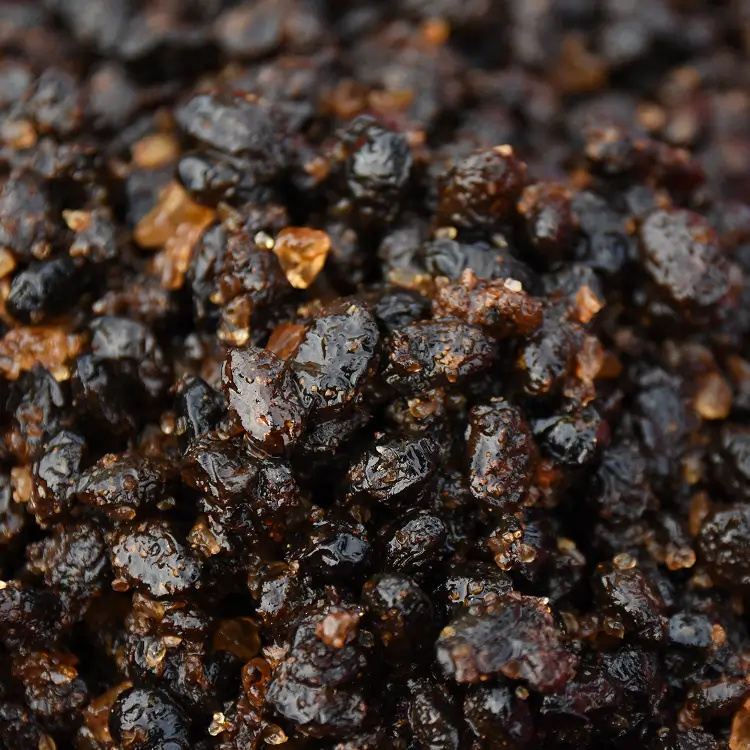
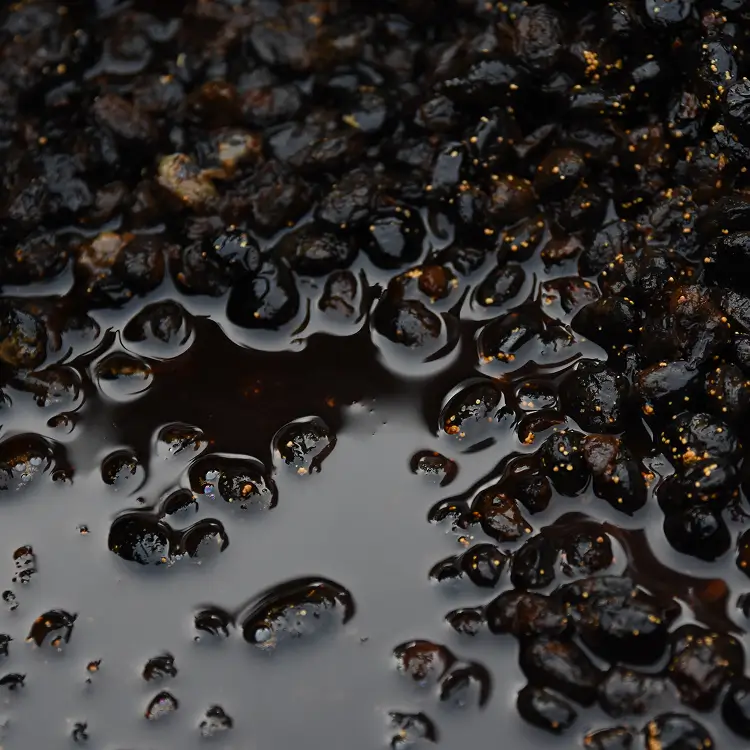
This is Taiwan’s most traditional brewing method, producing a rich aroma known to the older generation as the 'flavor of the sauce jar.' More precisely, the aroma profile of dry-brewed soy sauce resembles that of preserved mustard greens. Purely dry-brewed soy sauce is also excellent for adding color to dishes.
古法釀造
METHODS
Dry-Brewing
蔭油等級
GRADE
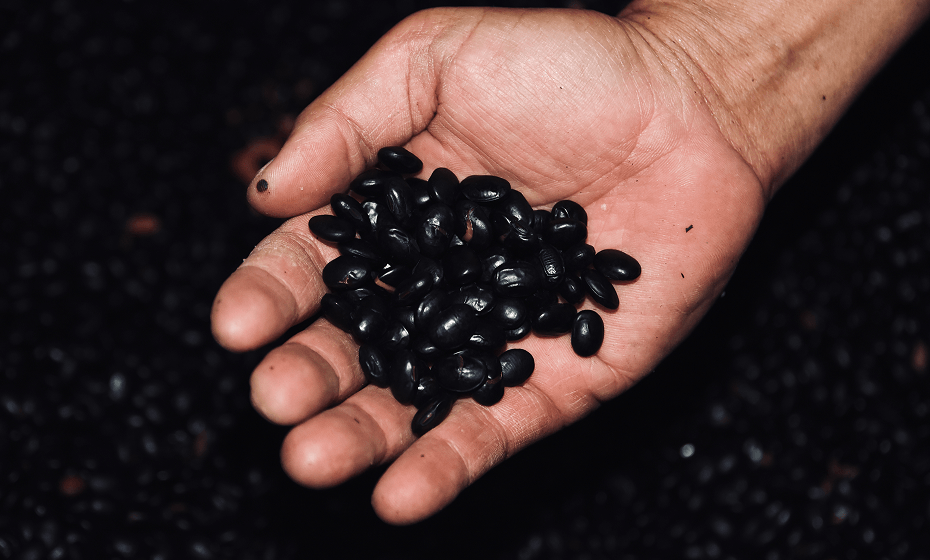
Taiwanese Yimyu
- 1
Made using whole soybeans and absolutely no wheat.
- 2
Brewed using one of two methods:
- For pure solar fermentation, the mixture is left in the sun for 120 days.
- With the addition of post-fermentation reduction, the mixture only requires 21 days in the sun.

Taiwanese Jar-Brewed Yimyu
- 1
Made using whole soybeans and absolutely no wheat.
- 2
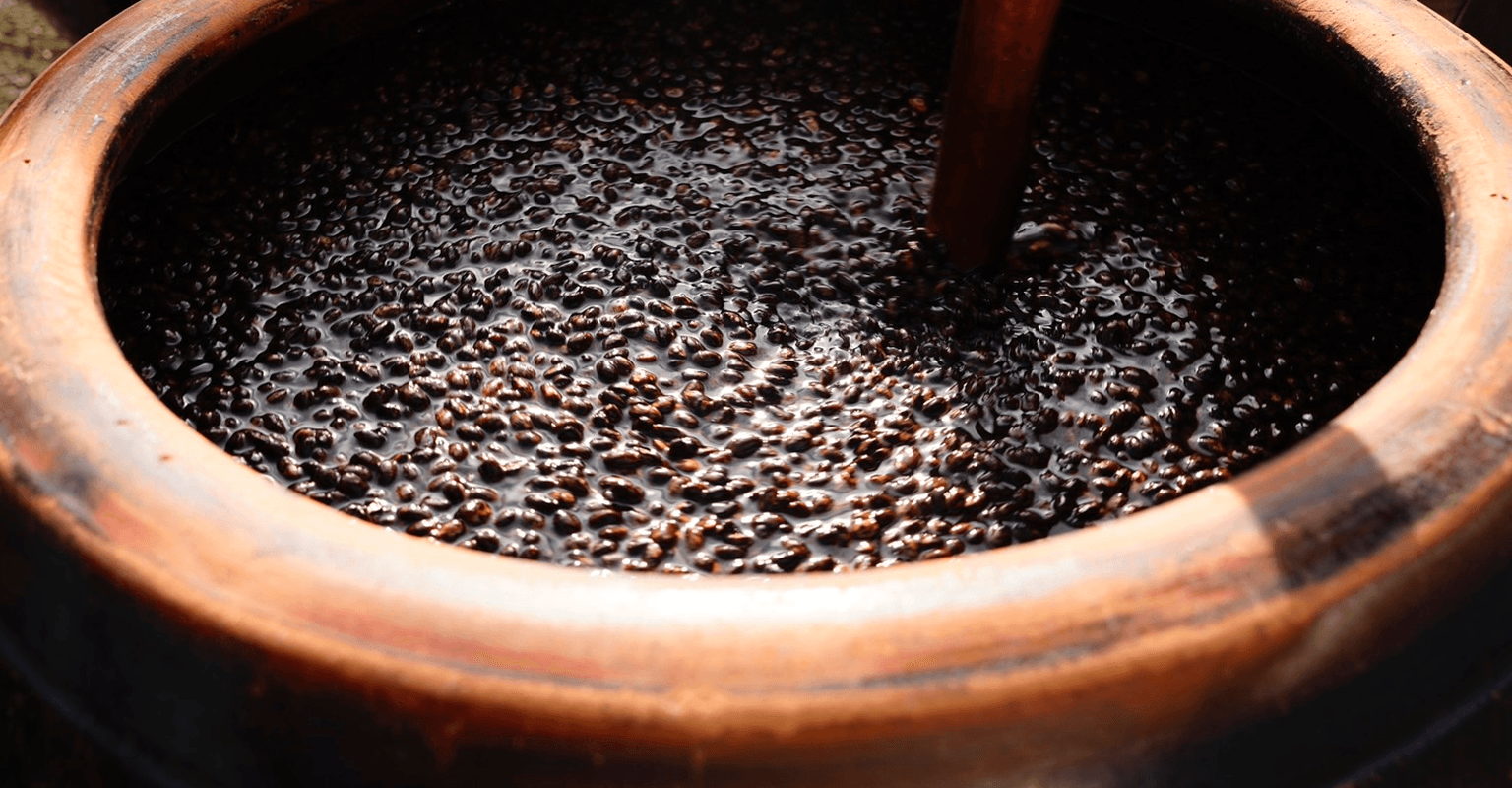
Fermented in earthenware jars.
- 3
Brewed using one of two methods:
- For pure solar fermentation, the mixture is left in the sun for 120 days.
- With the addition of post-fermentation reduction, the mixture only requires 21 days in the sun.
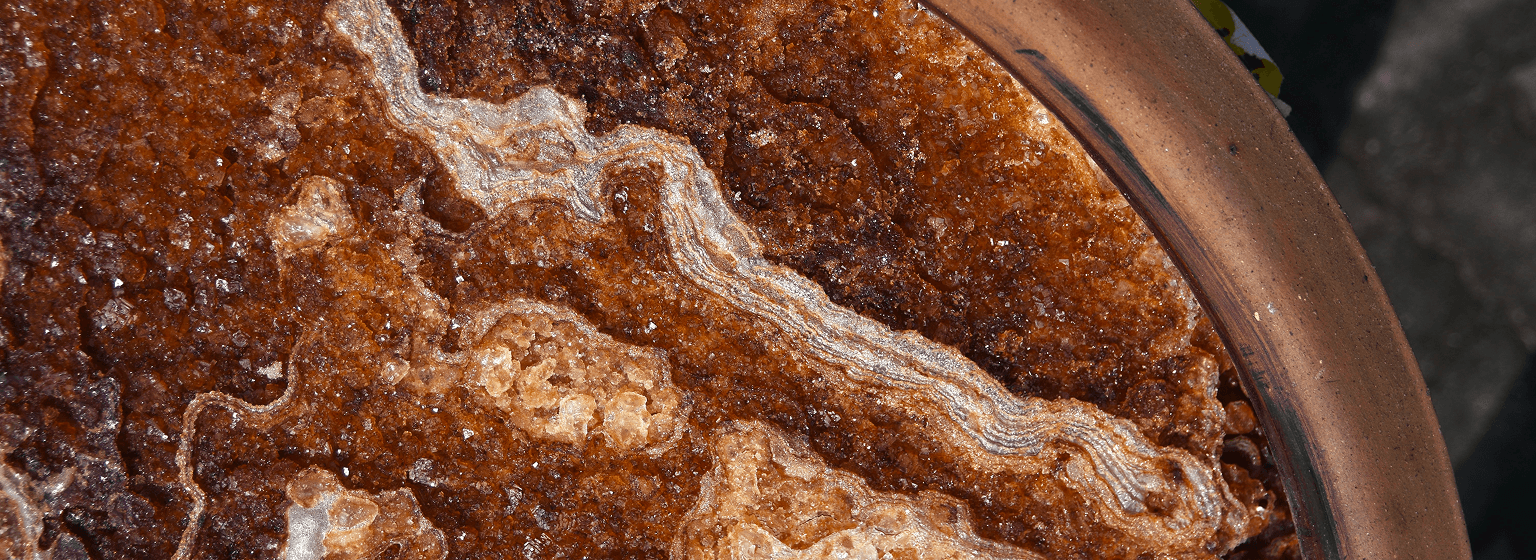
Taiwanese Amber River Yimyu
- 1
Made with locally produced whole soybeans grown using eco-friendly farming practices.
- 2
Uses locally cultivated Taiwanese koji mold.
- 3
Fermented in earthenware jars.
- 4
Brewed entirely in Taiwan.
- 5
Brewed using one of two methods:
- For pure solar fermentation, the mixture is left in the sun for 120 days.
- With the addition of post-fermentation reduction, the mixture only requires 21 days in the sun.
Find on Map
Find by Recipe